Tuesday, 27 March 2018

New Home


Tree Change - We are (slowly) moving


Just 8 minutes north of Maitland 


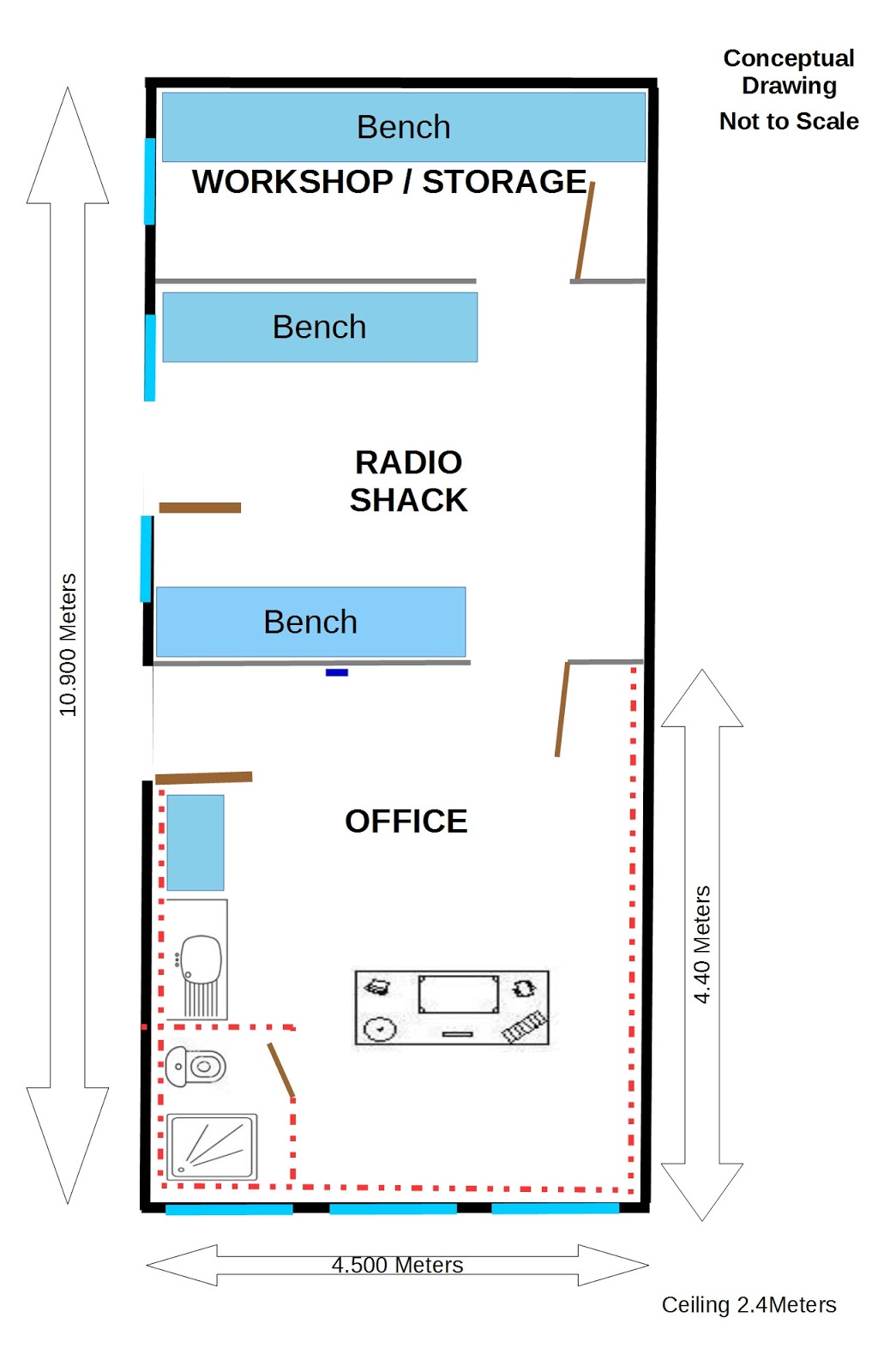
Open Plan


 Nice Views


 Large kitchen


The Bird Avery (Budgies) repurposed 


Heather's Future Office


Thursday, 14 April 2016

One Hundred Years Ago

One Hundred Years ago, on the 21 April 1916, my great Grandfather on my Mother's side, Private Edward John Taylor, was Killed in Action in what is now known as Iraq. 


Mum had a badly creased and faded photo which she successfully Photoshopped and on the back in pencil his name and date of death.


I have been researching the family tree and was interested to learn more about my Great Grandfather and thought that the UK Ministry of Defence might hold the records. These are now held at the National Archives in Kew, Surrey, with Ancestry.com providing access to these electronically.  I searched there without success, and found out why....


It is widely known that the majority of British WW1 soldier’s army service records went up in smoke when the War Office warehouse (the Army Records Centre) where they were stored was hit by a German incendiary bomb in an air raid in 1940. It is less well known that many other records were also destroyed. For researchers of the Great War, it was catastrophic.


Dad alerted me to some folders Mum had, a collection of Genealogy records which she had started with and hadn't completed. In the collection was several documents including the following;


Edward's Birth Certificate, born 2nd of October 1875 to parents Edward and Sarah (Nee Thomas) Taylor in Lichfield, Staffordshire, England. 


A Wedding Certificate: On the 1st of July 1904 Edward and Mary Ann Tolley were married in the Walsall Registry Office.


A Medal Record: Edward was 40 years old who, according to the medal record, was Killed in Action.


Below is the Medal Record for 


Private Edward John Taylor 


This confirmed my earlier research which had been based on some assumptions. I had located this record from the Commonwealth War Graves Commission, both having the same name (Very Common), but having the same unique Service Number 9742, now confirmed.


7th (Service) Battalion


records.co.uk/units/1715/north-staffordshire-regiment/


The Siege of Kut-al-Amara (1915-1916)


Major-General Townshend’s forces were surrounded by Turkish forces on 7 December 1915. He calculated that he had enough food supplies to last two months and decided to hold out until relief came. He had 10,000 men at this point, but was encumbered with 2,000 sick and wounded as well as non-combatants and the local population of Kut. The relief effort mounted by the British stalled because there were no proper roads or railways and the river levels fluctuated widely so that navigation was difficult. 


Meanwhile the conditions inside Kut deteriorated. Disease and lack of food reduced the garrison to a pitiable state and the soldiers were forced to slaughter horses and mules for food. When relief failed to arrive and negotiations by Colonel T.E. Lawrence (of Arabia) failed, Townshend had to surrender his 10,000 troops (British and Indian) to the Turks on 29 April 1916. The prisoners of war were harshly treated and 4,000 died in captivity. This was the fate of Thomas George Irons (1st Btn OBLI) who died of dysentery on 8 May 1916. Henry Grace DCM (1st Btn OBLI) died of disease on 21 April 1916 at Kut, during the surrender. He had been decorated for conspicuous gallantry at Kut-al-Amara. Frederick George Parslow (1st Btn OBLI) accidentally drowned in the River Tigris whilst transferring from one boat to another, on 31 May 1915.


The surrender at Kut-al-Amara was a humiliating blow to the prestige of the British Empire and the British government took over control of the Mesopotamian campaign from the Indians in the summer of 1916. Much investment was made in the port facilities at Basra, new roads and railways were built and modern weaponry supplied. Under General Sir Stanley Maude, British troops retook Kut-al-Amara in February 1917 and occupied Baghdad in March. 


Disease was still a major cause of death amongst the troops and Thomas William Lee (also of the 1st Btn OBLI) died of dysentery or cholera on 1 August 1917. General Maude also succumbed to disease and died of cholera in November 1917. The British effort was then scaled down and the armistice with Turkey on 30 October 1918 effectively ended the campaign, which had cost the British army 27,000 fatalities, 13,000 of whom had died of disease. 


The fulltext can be found at http://amershamhistory.info/wp-content/uploads/2015/06/K2.pdf


One could hardly imagine what these soldiers went through!


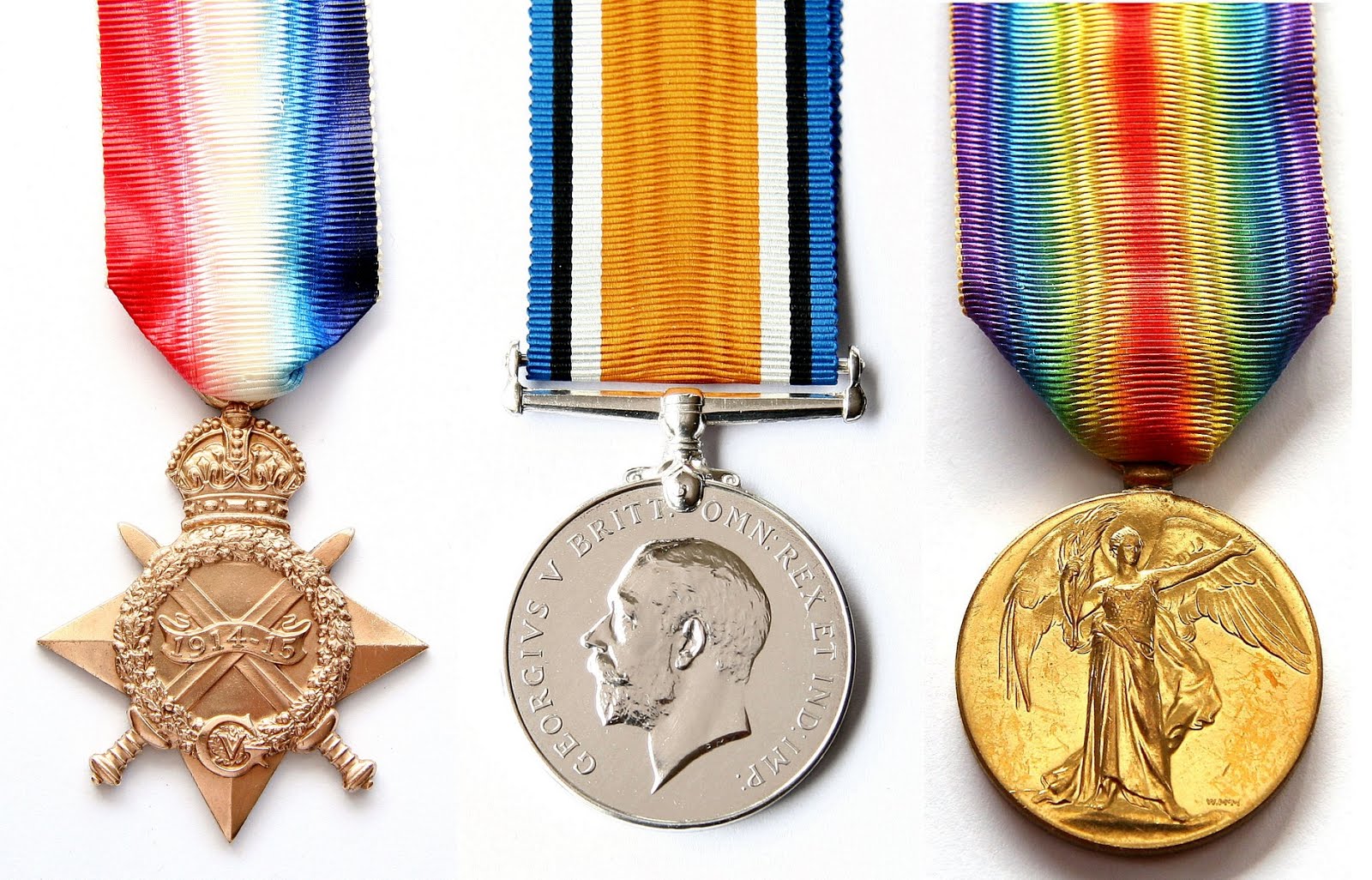
The 1914-15 Star, British War Medal and Victory Medal, as per the record for 


Private Edward John Taylor


The Basra Memorial 


before the desert sands did their work.


As Feargal Keane, BBC Correspondent says:


"Curiously Saddam Hussein preserved this monument. He had it moved, carefully, from the port to the desert but did not destroy it. 'Perhaps he had some feeling for the fallen warrior,' a British officer said to me..."


"Over the decades the desert winds have done their work: segments of the slate have collapsed on the ground. There are little fragments of names scattered in the sand. A large crack has appeared where the men of the Western Ontario Regiment are remembered. Nearby is a sentence as sad as any I've read in war. It says simply: For Subhadar Mahanga and 1,770 other Indian soldiers." 


______________________________________


Wednesday, 1 July 2015

Lunch with my daughter


A foggy start to the day.


Lunch with my beautiful daughter, Samantha, at the Queen Victoria Building.

Friday, 12 June 2015

Scanning Old Photos Part 1


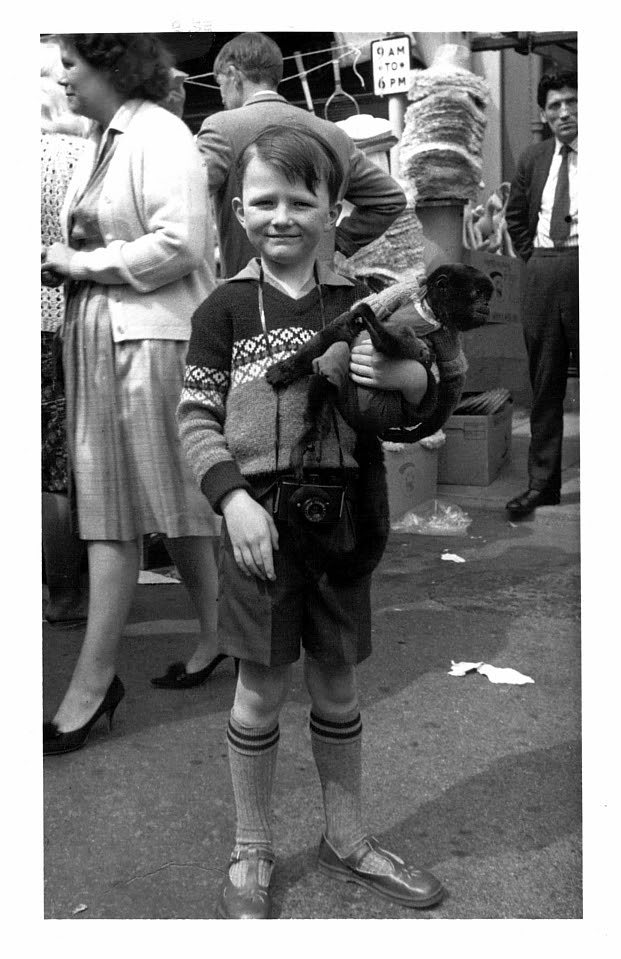
Me at 5 years and a Monkey at Lichfield Bower 


School onboard the Castel Felice on the way to Australia 1964


Tom and Ann Anslow leaving on their honeymoon at Trent Valley Station Lichfield 1952


Tom and Ann Anslow watching the cricket. 


Ann Anslow and I at Tascott c1990


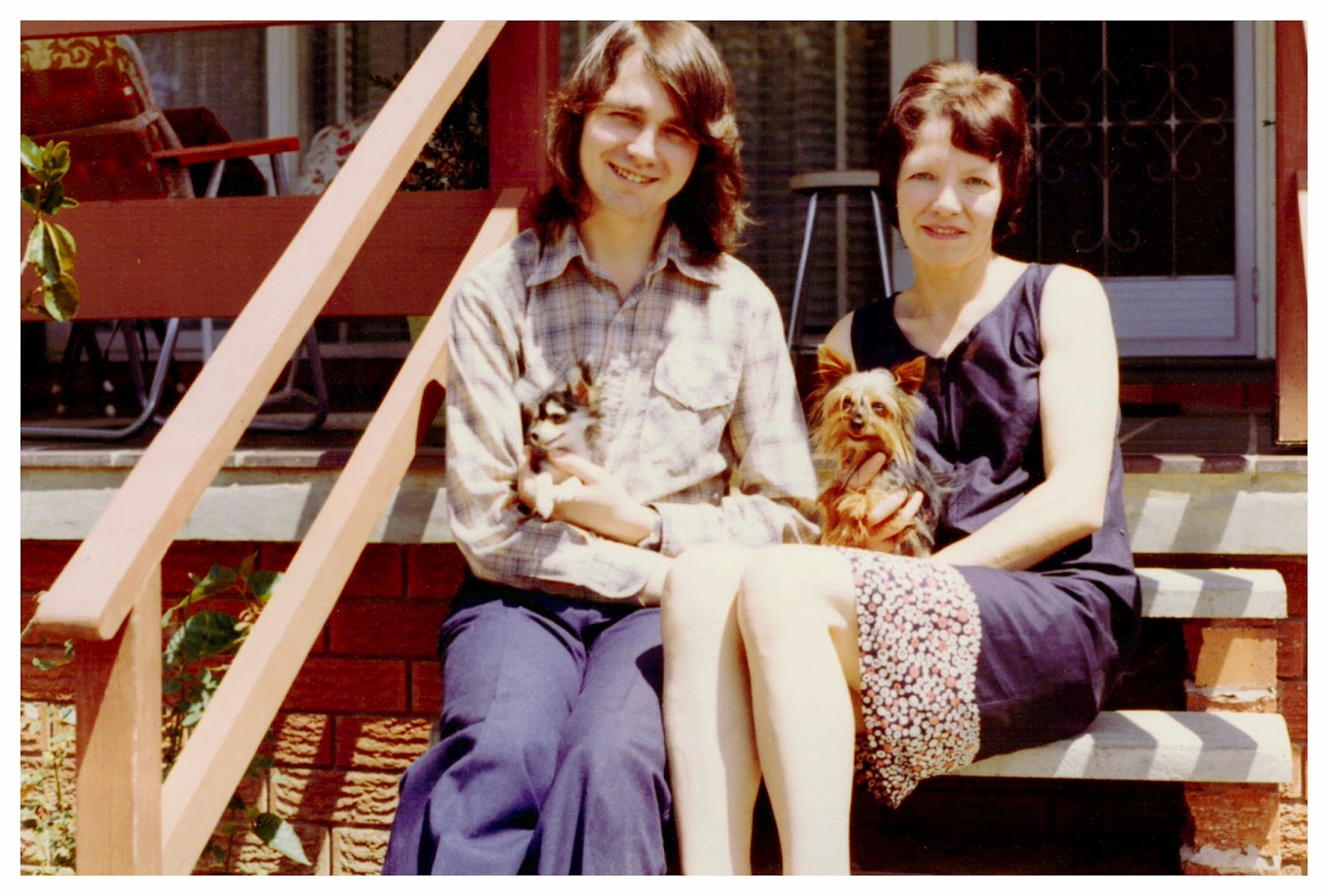
Ann Anslow and I at Epping 1978


Tuesday, 30 December 2014

Goodbye Mum


Ann Anslow's Eulogy

When Mum was diagnosed with end stage cancer on the 17th December, it came as a shock to us all, but most of all to Mum.

Just three weeks prior, Mum was attending Tai Chi, getting ready for Christmas and looking forward to spending time with her family.

Family was very important to Mum. It was Mum who was the backbone of our family having met Dad at 16 and married at 19. A marriage that lasted 62 years through changing circumstances, including emigrating from Lichfield England to Launceston Tasmania and onto the mainland, supporting a husband and raising a son without help from family who were so far away.

Throughout her life and all of the changes, Mum was someone who cared for others in need and had a deep love of children and animals. This was also supported by her vibrant, outgoing, friendly personality. Every challenge was met with a strong determination to succeed.

Mum never discriminated against anyone and would talk to everybody. She enjoyed conversation, loved to laugh and had a younger outlook on life, than her years. The social interaction and good friends made at Tai Chi, the Grace City Church and computer classes was a pleasure for her.

Mum’s will power is best explained by her determination to have her back operation. When she was advised that the curvature of spine and her lower vertebrae had disintegrated to the point where there was nothing that could be done for her, Mum’s response was “No bloody way am I ending up in a wheelchair!”

She badgered the specialist for 12 months to perform the operation. The specialist was not able to avoid Mum and conceded defeat, and agreed to operate.

During recovery, she pushed all boundaries and in 4 days, after 16 screws and a wedge in the lower back, Mum was trying to run up and down corridors to prove her fitness - at 80 years of age. The surgeon said “Gee, I wish all my patients were like Ann.”

Mum was determined to get back to her friends and activities.

During all this time though, Mum kept an eye on Dad, to make sure he was looking after himself while she was in hospital.

Mum always had compassion for those in need of assistance. This was especially evident when Mum managed the Launceston Women’s shelter for a number of years. Upon receiving a call for help, Mum would drive alone at the night to pick up women in need of help, protection and shelter. It was not a particularly safe job however true to form, Mum would not be persuaded to do otherwise.

This role of support and assistance was repeated later in life when Mum worked at Tresillian Mother’s and Babies facility at Willoughby.

This was also true when Mum and Dad went to buy a Chihuahua puppy when they were living in Sydney. It was brought to Mum’s attention that a little Yorkshire terrier was being abused and in need of a home, so Yorkie came to live with them.

Yorkie never left Mum’s side after. The one thing Mum always missed after moving to Pine Needles was her dogs.

Mum enjoyed her family and was at her happiest when Heather, the daughter she never had, Samantha, her granddaughter, who she enjoyed spoiling, and I visited.

There is a very large gap now in our lives without Mum. We know that she would want us to remember her for her outgoing, buoyant approach to life.

We will miss you Ann!

A Birthday